DSLK
Index
case-study
product-design

About
Holos is a mixed reality headset designed for comfortability during longer sessions.
Contributions
Industrial Design, CAD modeling, Visualization
Tools
Rhino-8, SolidWorks, Pro-create, Figma
Duration
3 weeks, 2023


User research
My target demographics were consisted of young adults, designers, gamers that routinely wore VR-headsets for an extended period of time.
For this project, I was tasked to redesign & improve a product of choice. I chose to redesign the Meta Quest 2, as I was passionate about the new possibilities & impacts VR technology will bring to the design industry. I hoped to optimize the device for even more comfortable usage.

Market research
High entry barrier consumer electronic market, minimal diversification, mainly catered towards entertainment usage.
Lorem ipsum odor amet, consectetuer adipiscing elit. Proin tempus enim adipiscing ut netus id. Libero tortor suscipit vel ridiculus tellus molestie efficitur. Tristique sagittis sodales sollicitudin amet. Pulvinar mi sollicitudin nec sagittis. Mollis tempor quam finibus montes. Condimentum nulla pellentesque neque ornare.
Product research
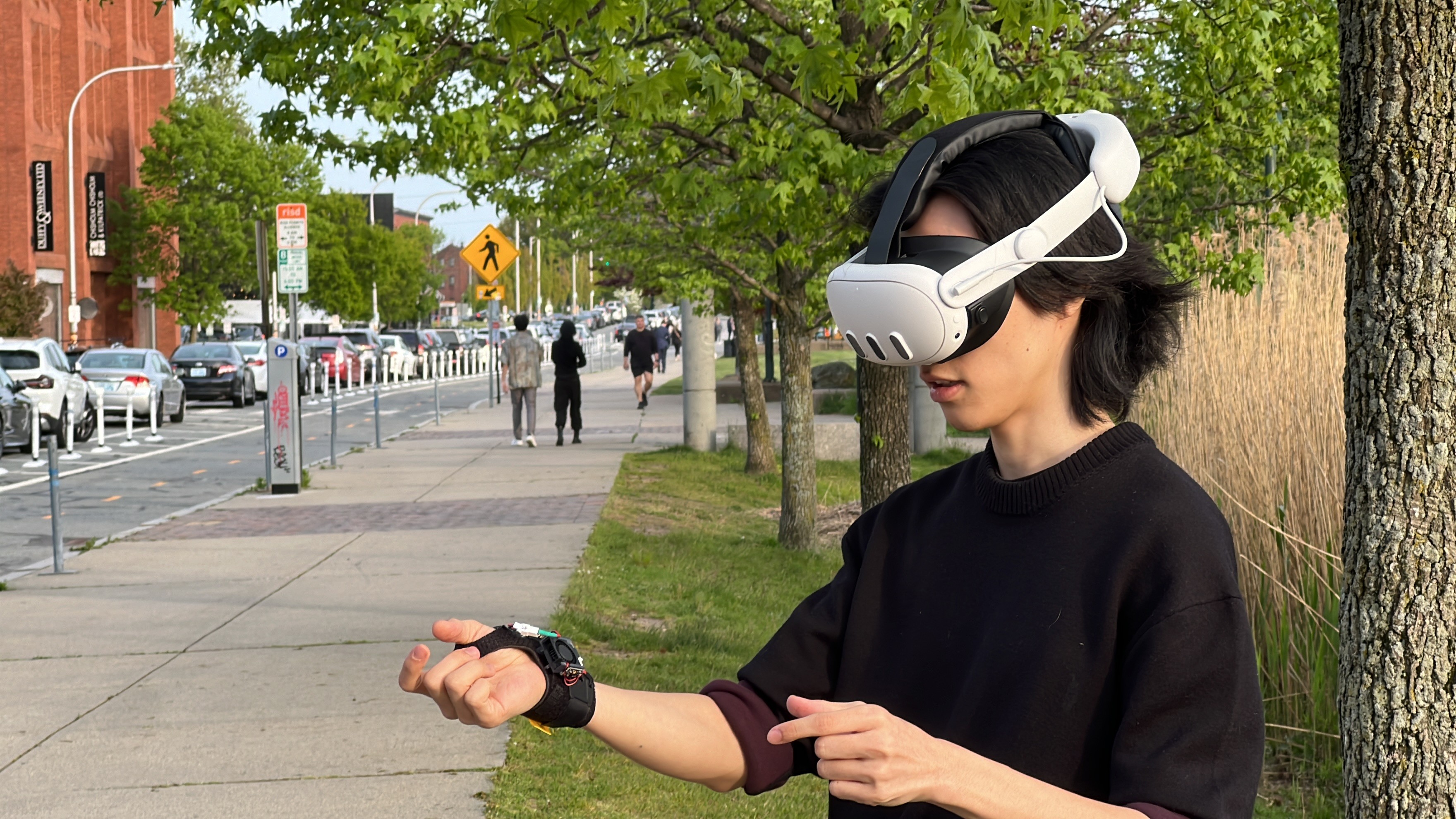
Front-heavy architecture and poor strap design reduced comfort, shortening sessions and amplifying stability-related pain-points.
I analyzed the Meta Quest 2, referencing mainstream reviews, reddit reviews, and my personal experience of owning one. The Quest 2's front-heavy architecture and poor strap design reduced comfort, shortening sessions and amplifying stability-related pain-points


Quest-2
Hololens
Valve-Index
HTC Vive Pro 2
Across different brands, the headsets generally suffered from shared common pain-points.
pain-point 01
Centralized weight distribution of the device. (root issue)
The average headset weighs About 503g, and the current design creates a ripple effect, leading to various problems related to usability.
pain-point 02
Pressure concentration in the face, resulting in poor longterm wearability.
Due to the centralized weight distribution of these devices on the face, users were much likely to experience discomfort when using the device for extended periods of time.
pain-point 03
Motion Sickness from poor strap design.
Due to the head strap design of the Oculus Quest 2, it often led to micro movements of the device, leading to motion sickness, headaches, and nausea.
How might we
How can I re-design a reality-headset that solves ergonomic pain-points, reducing concentrated facial pressure and micro-slippage to improve long-session wearability?
Lorem ipsum odor amet, consectetuer adipiscing elit. Proin tempus enim adipiscing ut netus id. Libero tortor suscipit vel ridiculus tellus molestie efficitur. Tristique sagittis sodales sollicitudin amet. Pulvinar mi sollicitudin nec sagittis. Mollis tempor quam finibus montes. Condimentum nulla pellentesque neque ornare.
Moodboard and references
Harmonizing ergonomic wearability with a soft precision, humane high-tech aesthetic.
Lorem ipsum odor amet, consectetuer adipiscing elit. Proin tempus enim adipiscing ut netus id. Libero tortor suscipit vel ridiculus tellus molestie efficitur. Tristique sagittis sodales sollicitudin amet.
Design language; imagining CMF, form, and mood
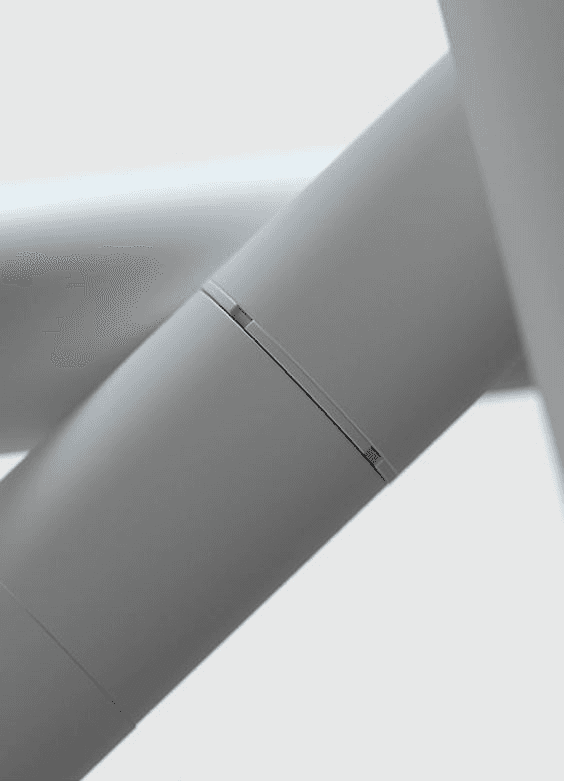
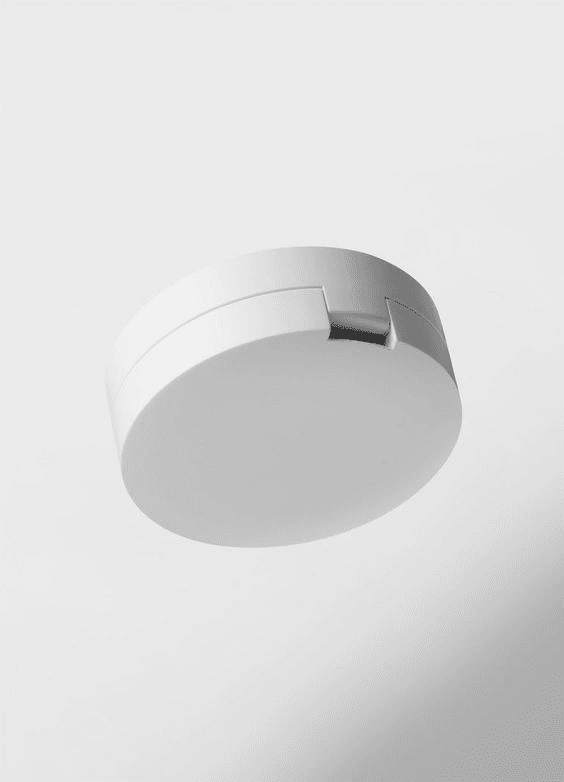
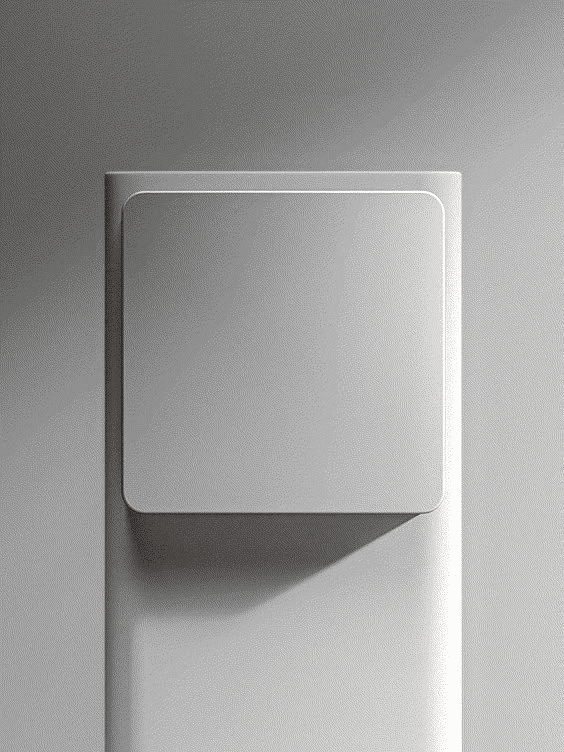
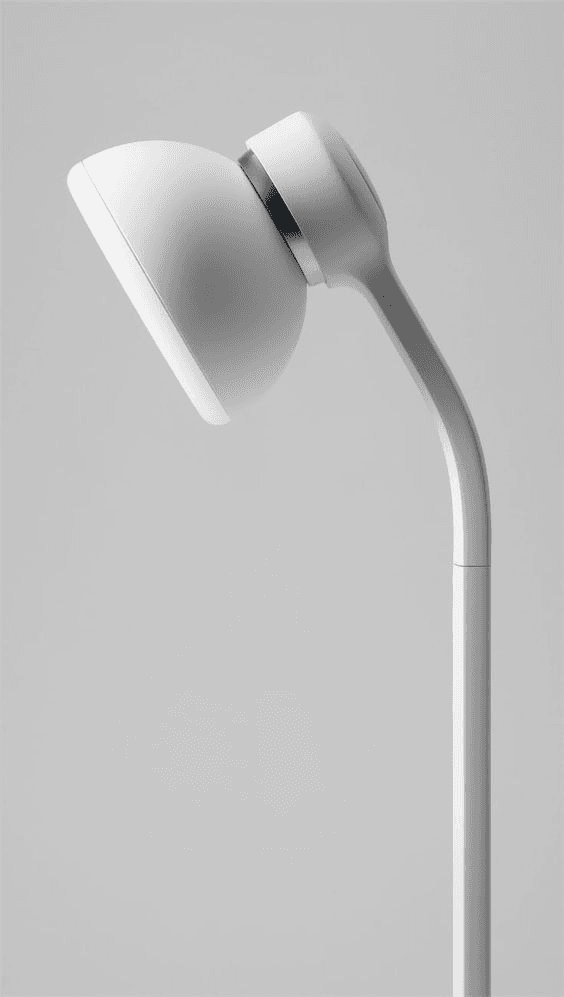
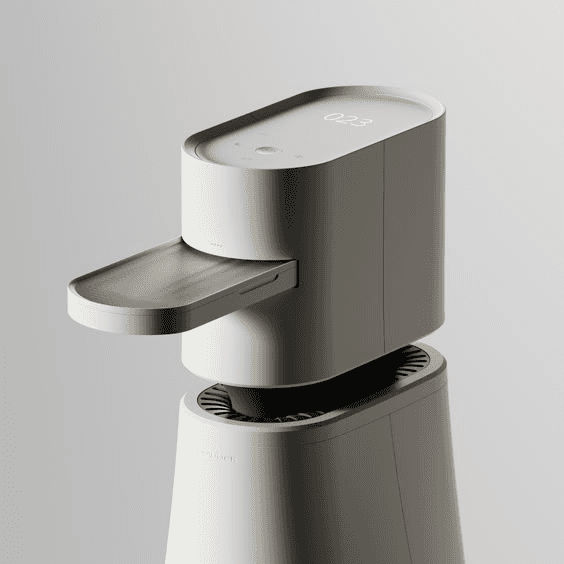
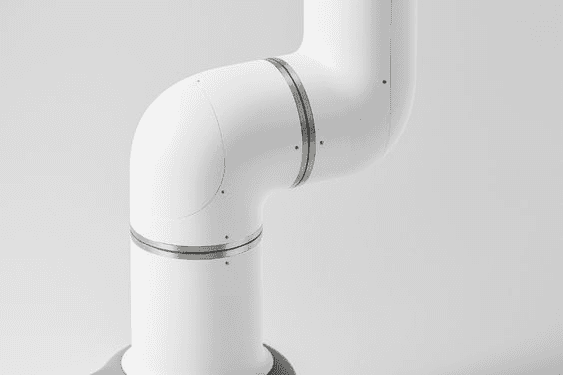
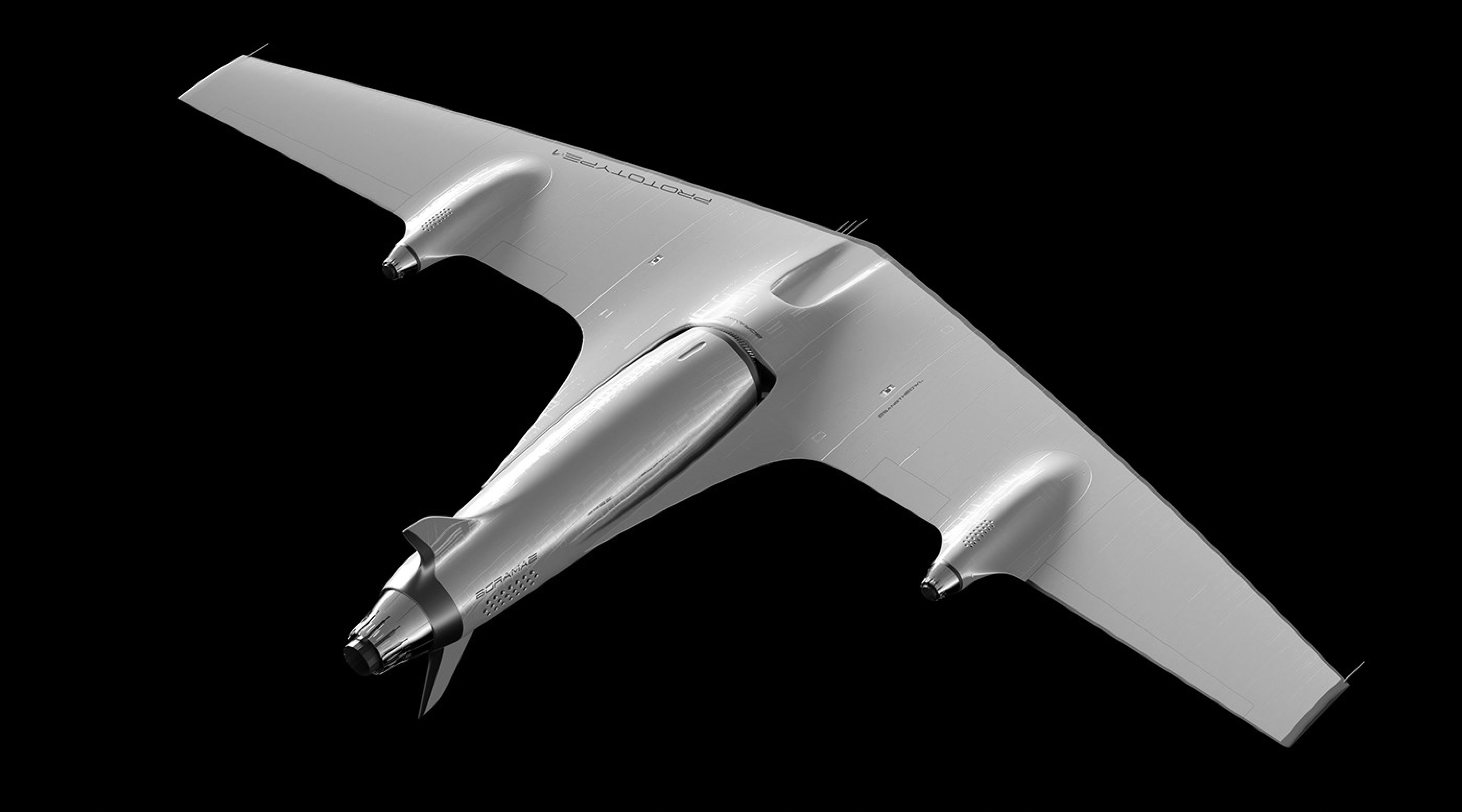
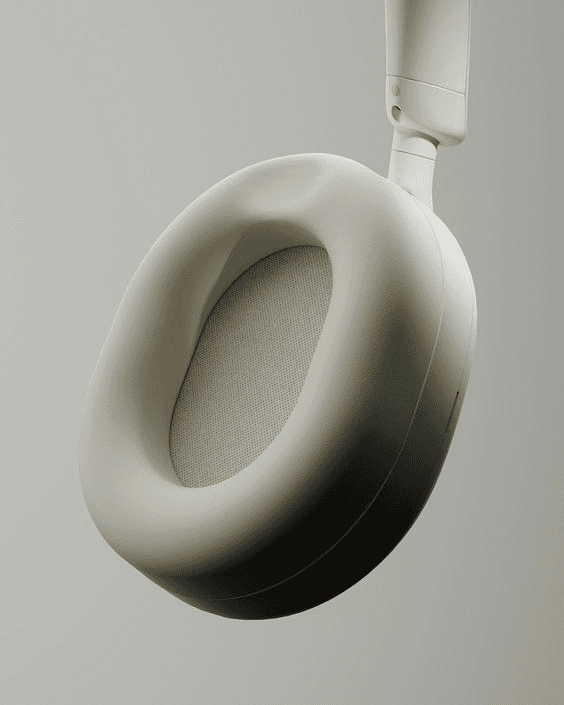
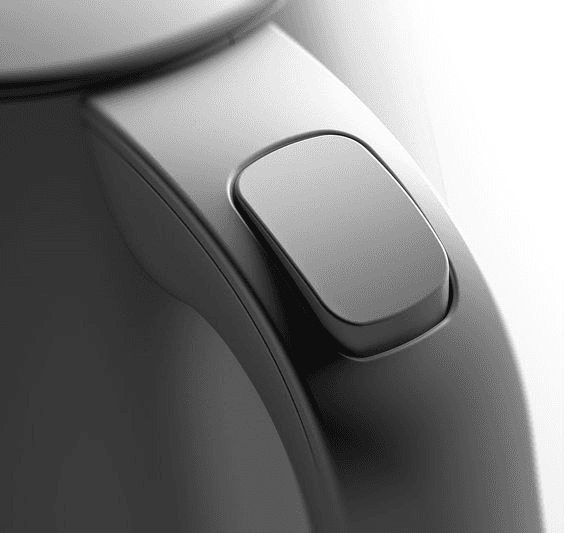
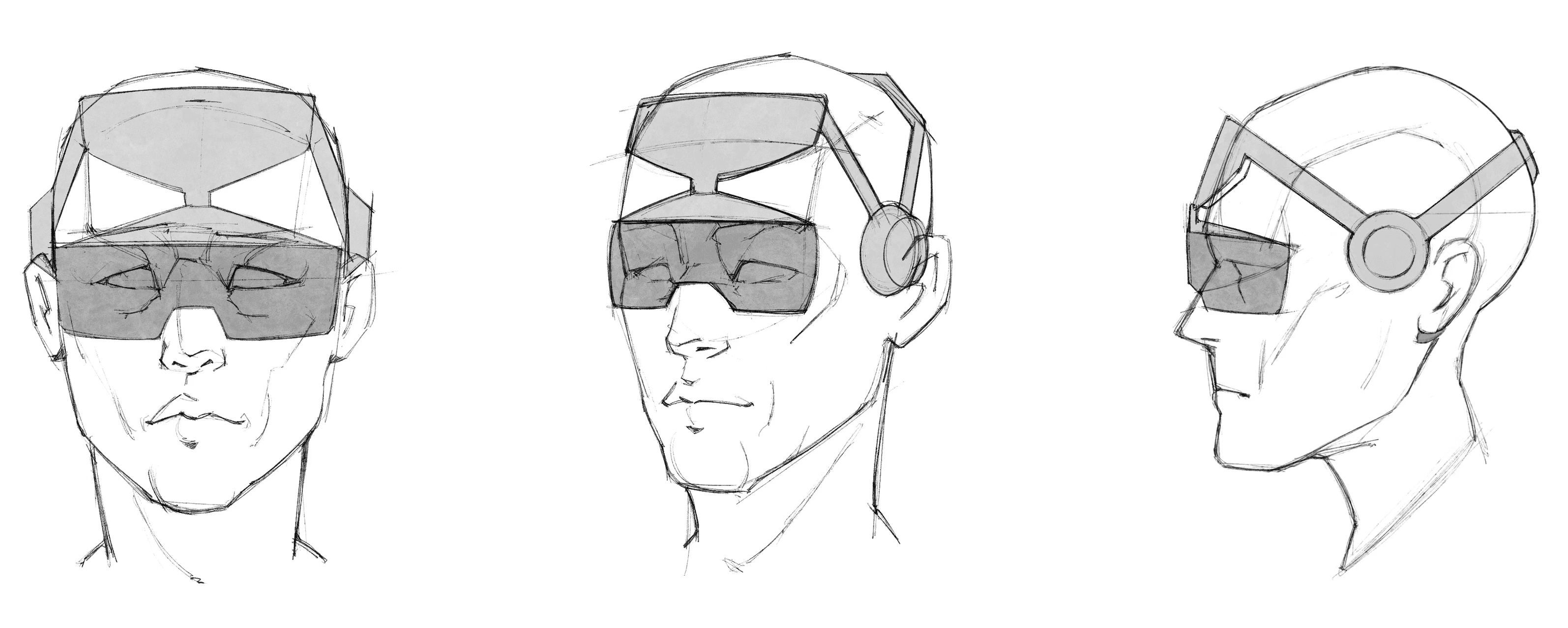
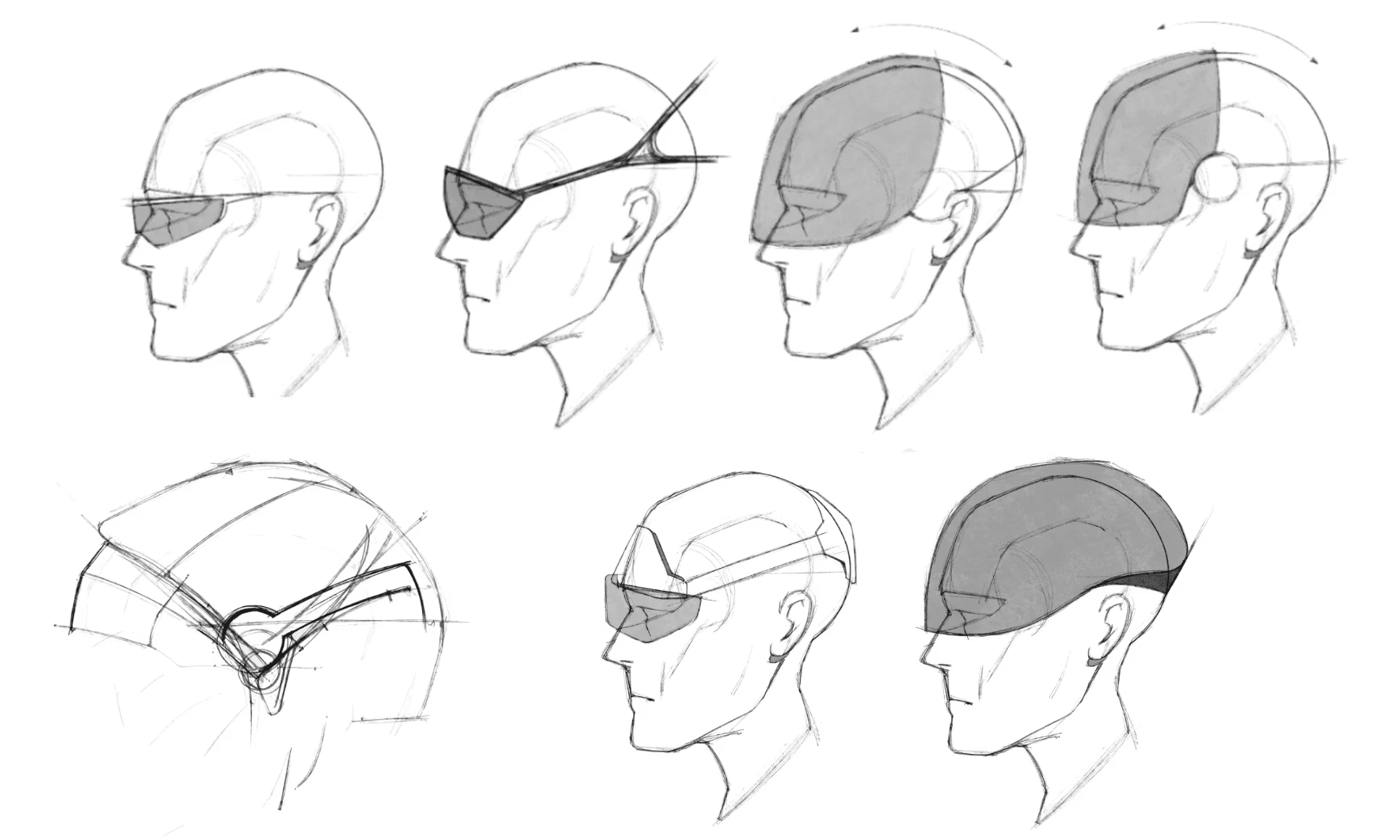
Taking design inspiration from common head wearables, referencing the contact points into the mounting design.
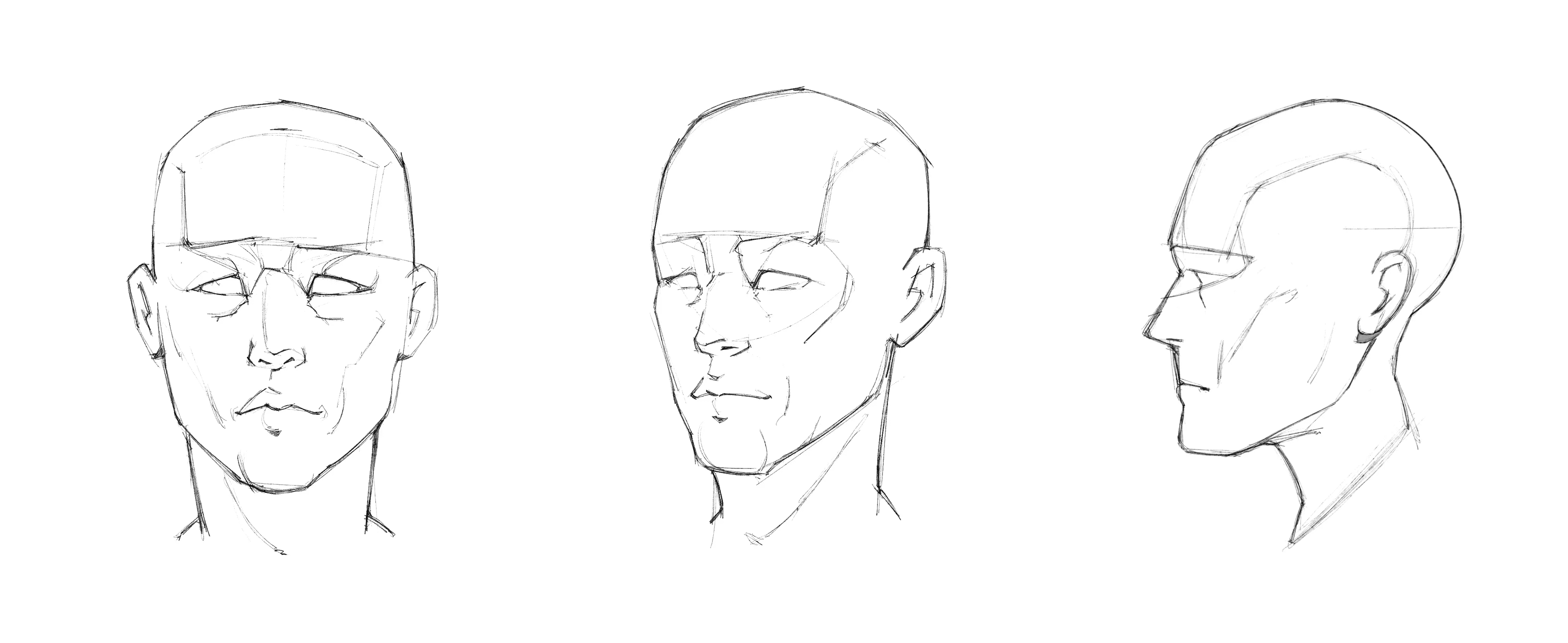
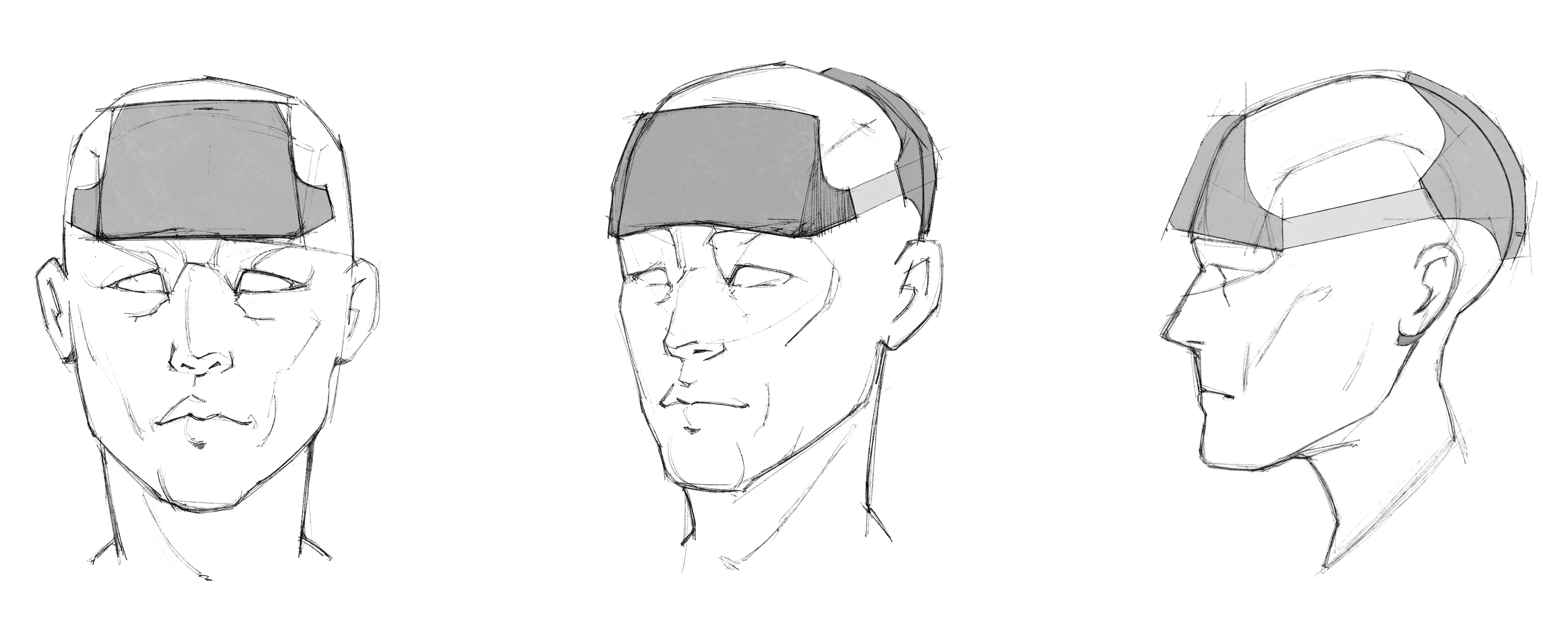
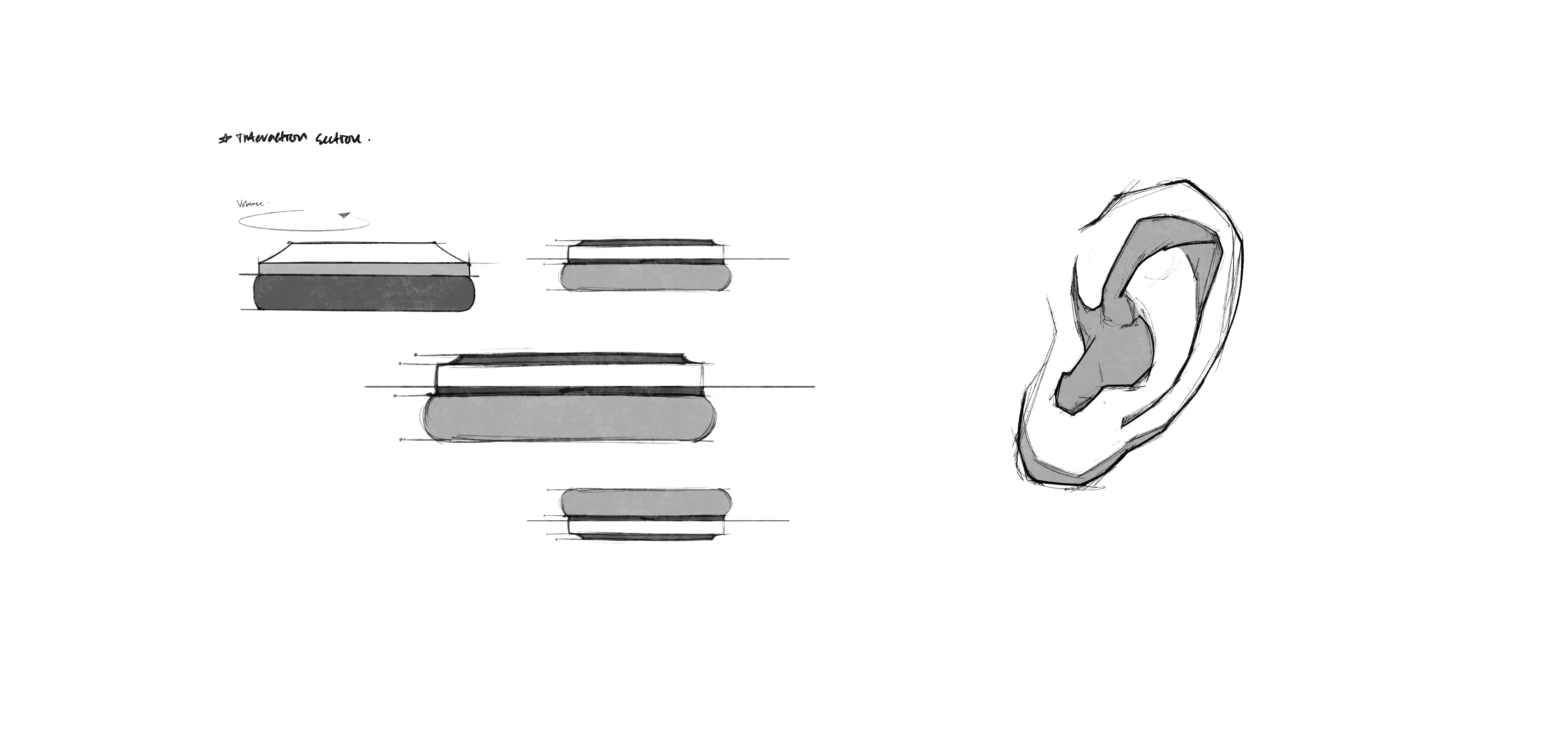
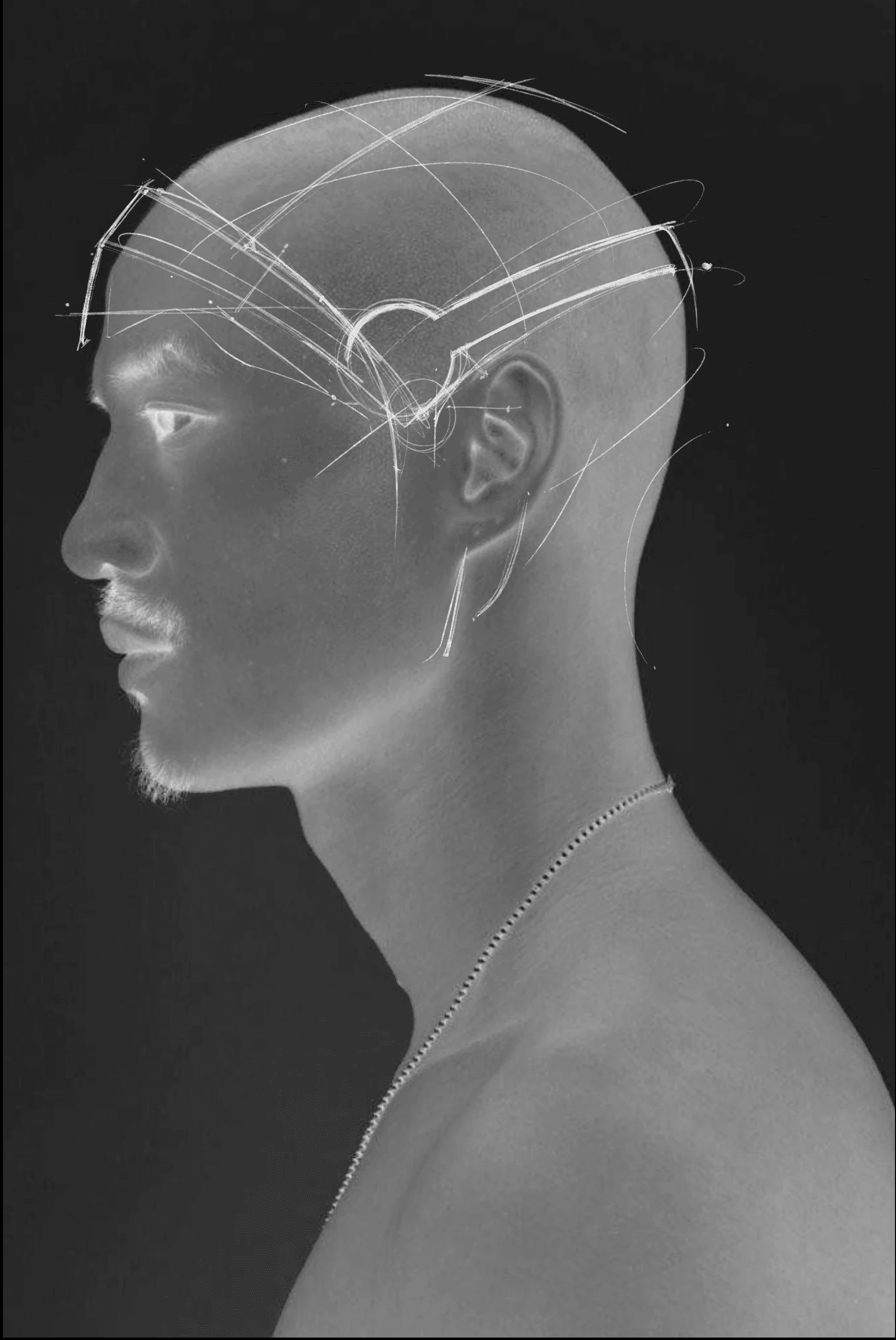
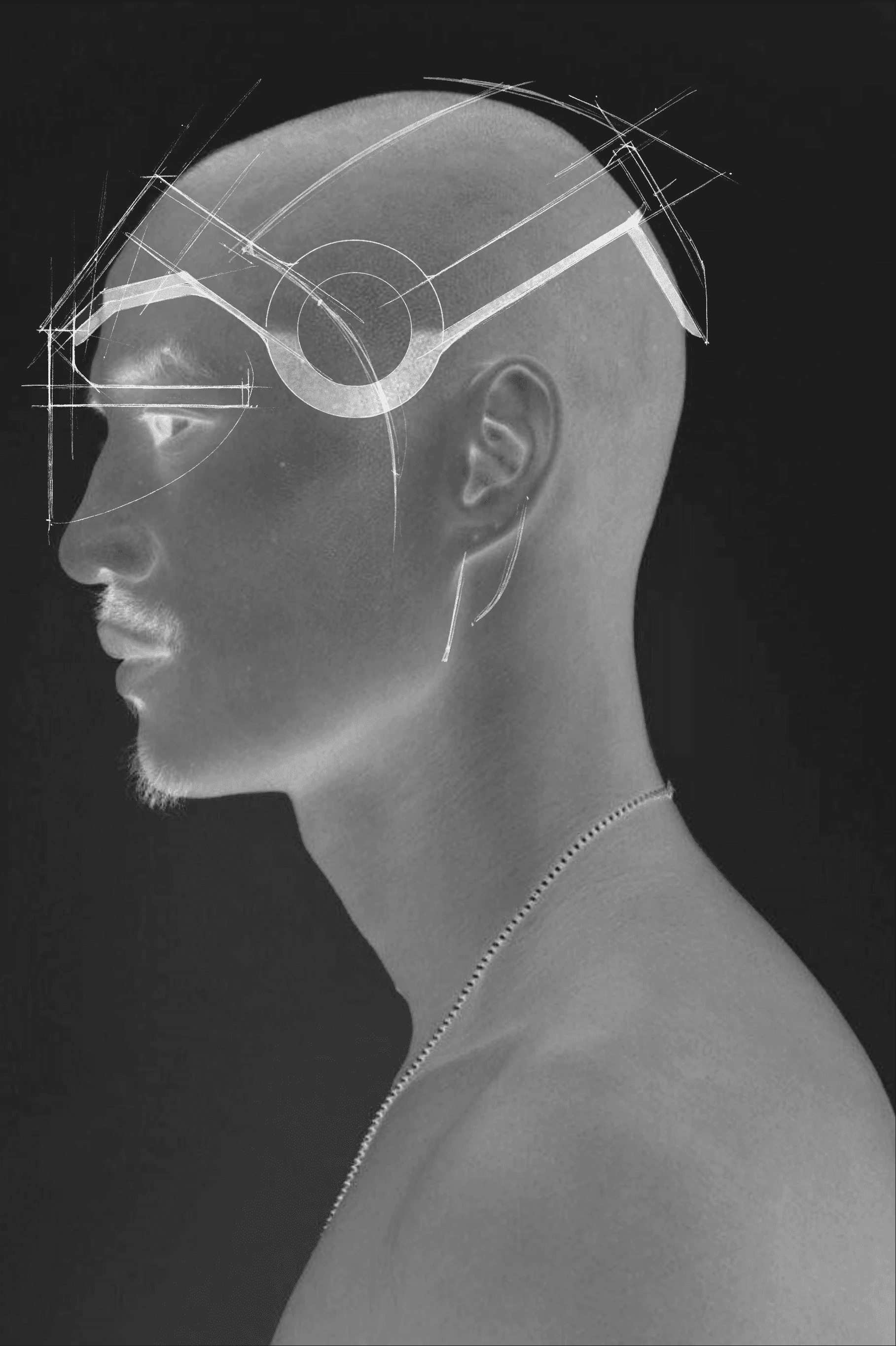
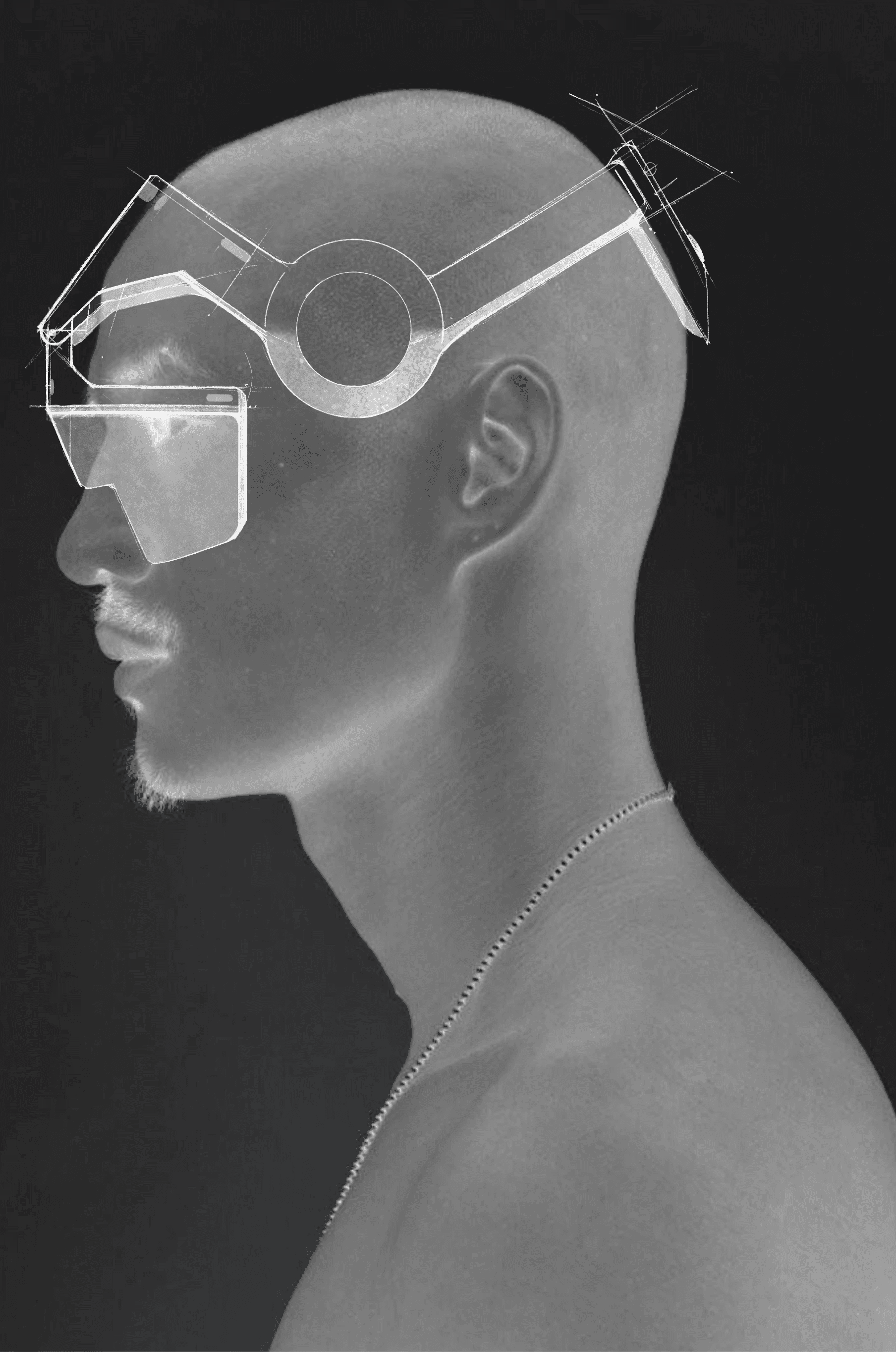
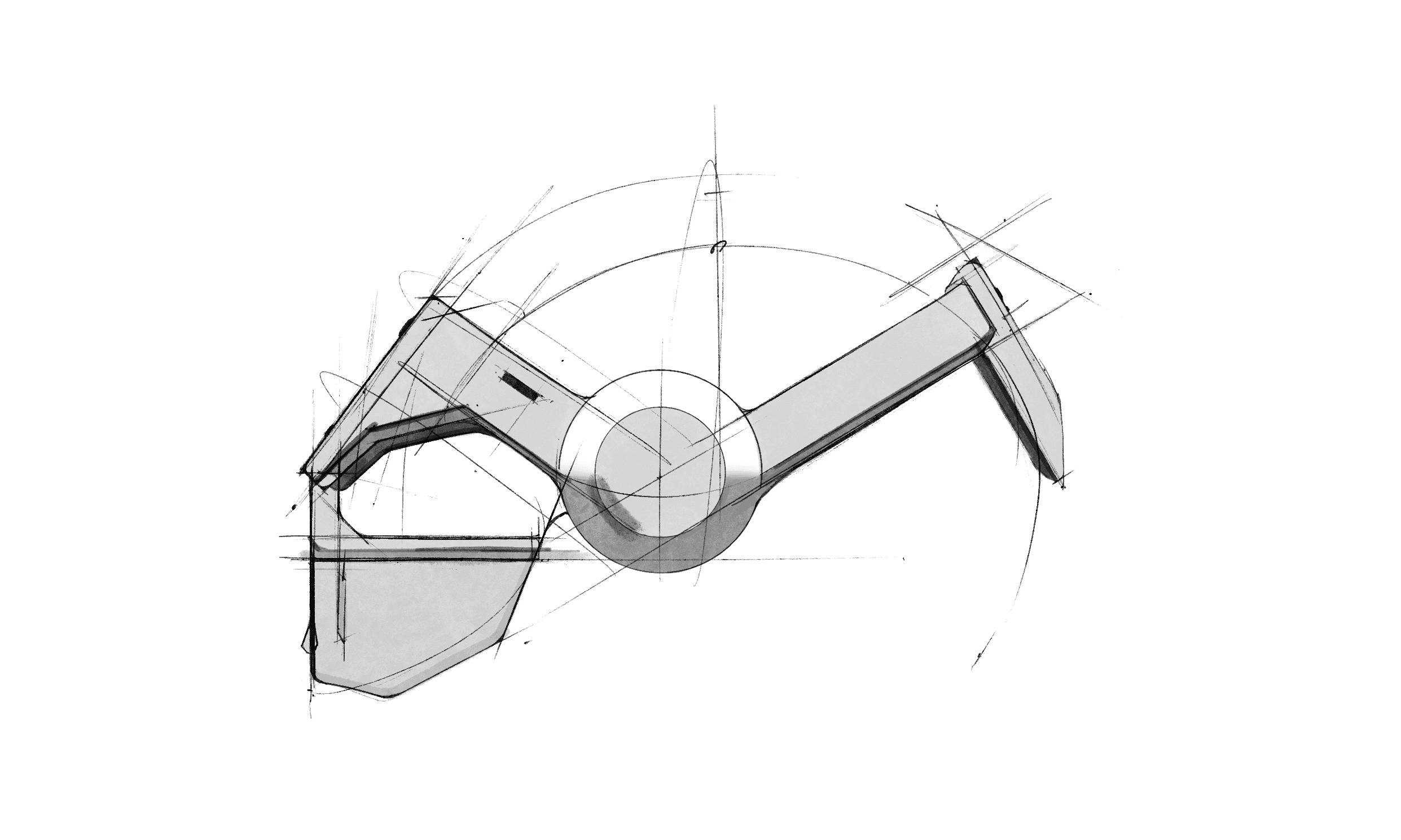
From many light sketches, I selected 2 designs for in-depth exploration, imagining the ergonomics of each form. After careful consideration, I chose one final design to proceed with, combining the best elements of the previous iterations for optimal comfortability.
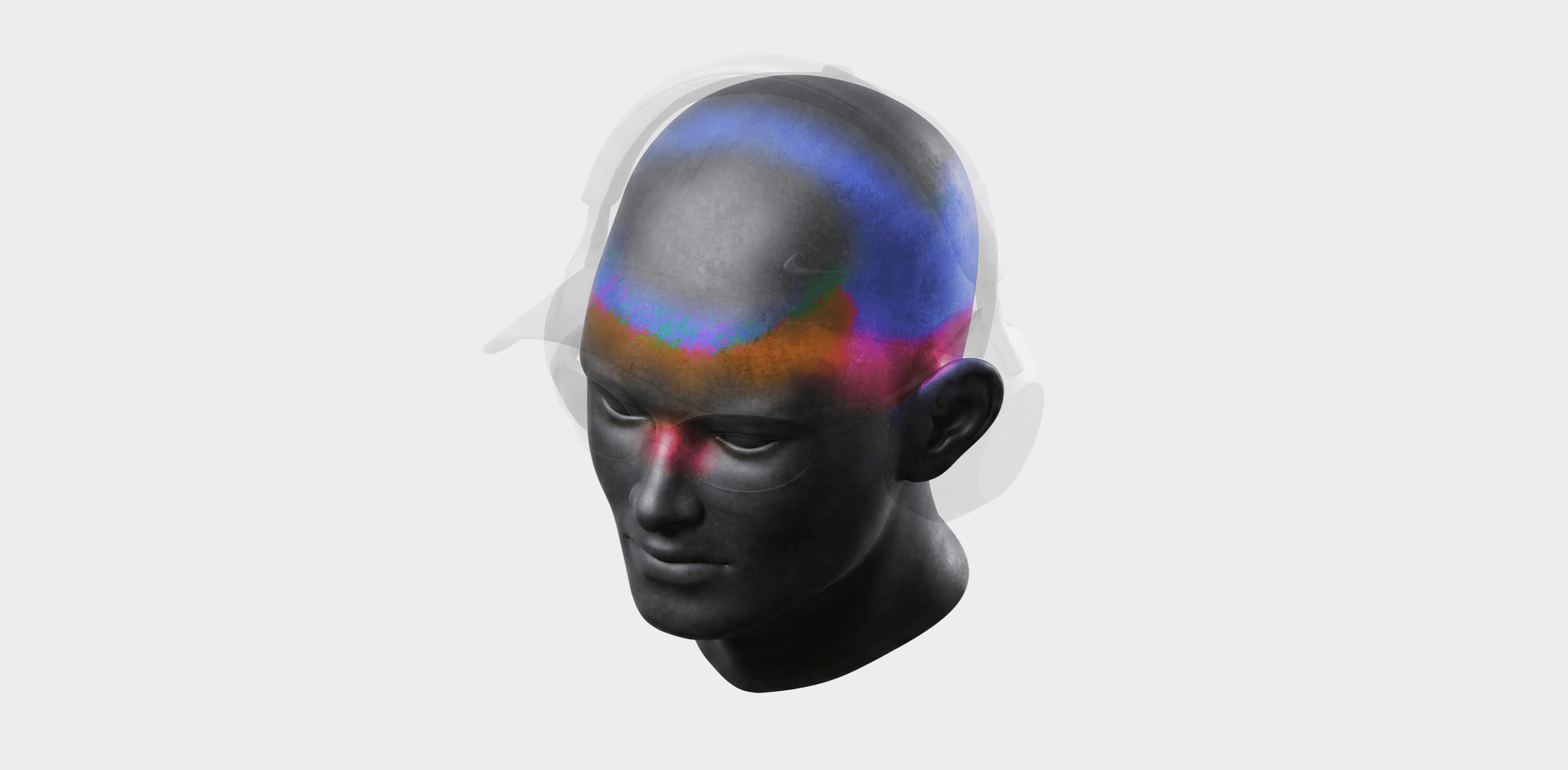
I tested the weight distribution with a rough cardboard model, with majority of the device weight sitting on the parietal bone and frontal bone.


Design and CAD modeling
I modeled the sketch in SolidWorks and rendered the model in KeyShot. carefully considering manufacturability of the designs, realistic tolerances based on materials selected.
CMF and DFM consideration

Lorem ipsum odor amet, consectetuer adipiscing elit. Proin tempus enim adipiscing ut netus id. Libero tortor suscipit vel ridiculus tellus molestie efficitur. Tristique sagittis sodales sollicitudin amet. Pulvinar mi sollicitudin nec sagittis. Mollis tempor quam finibus montes. Condimentum nulla pellentesque neque ornare.

Lorem ipsum odor amet, consectetuer adipiscing elit. Proin tempus enim adipiscing ut netus id. Libero tortor suscipit vel ridiculus tellus molestie efficitur. Tristique sagittis sodales sollicitudin amet. Pulvinar mi sollicitudin nec sagittis. Mollis tempor quam finibus montes. Condimentum nulla pellentesque neque ornare.
Final design
Introducing Holos, Lorem ipsum odor amet, consectetuer adipiscing elit. Proin tempus enim adipiscing ut netus id.
Lorem ipsum odor amet, consectetuer adipiscing elit. Proin tempus enim adipiscing ut netus id. Libero tortor suscipit vel ridiculus tellus molestie efficitur. Tristique sagittis sodales sollicitudin amet. Pulvinar mi sollicitudin nec sagittis. Mollis tempor quam finibus montes. Condimentum nulla pellentesque neque ornare.


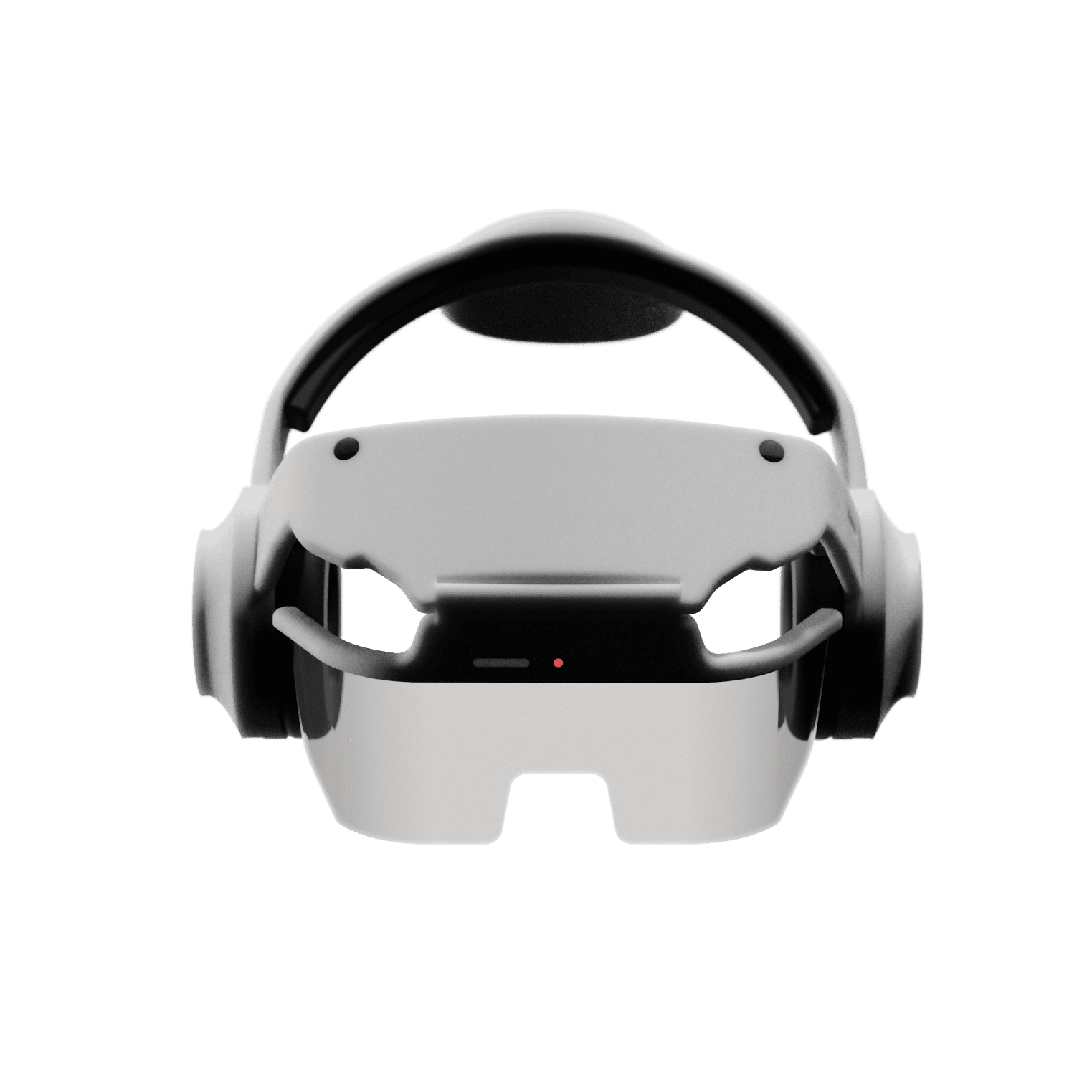
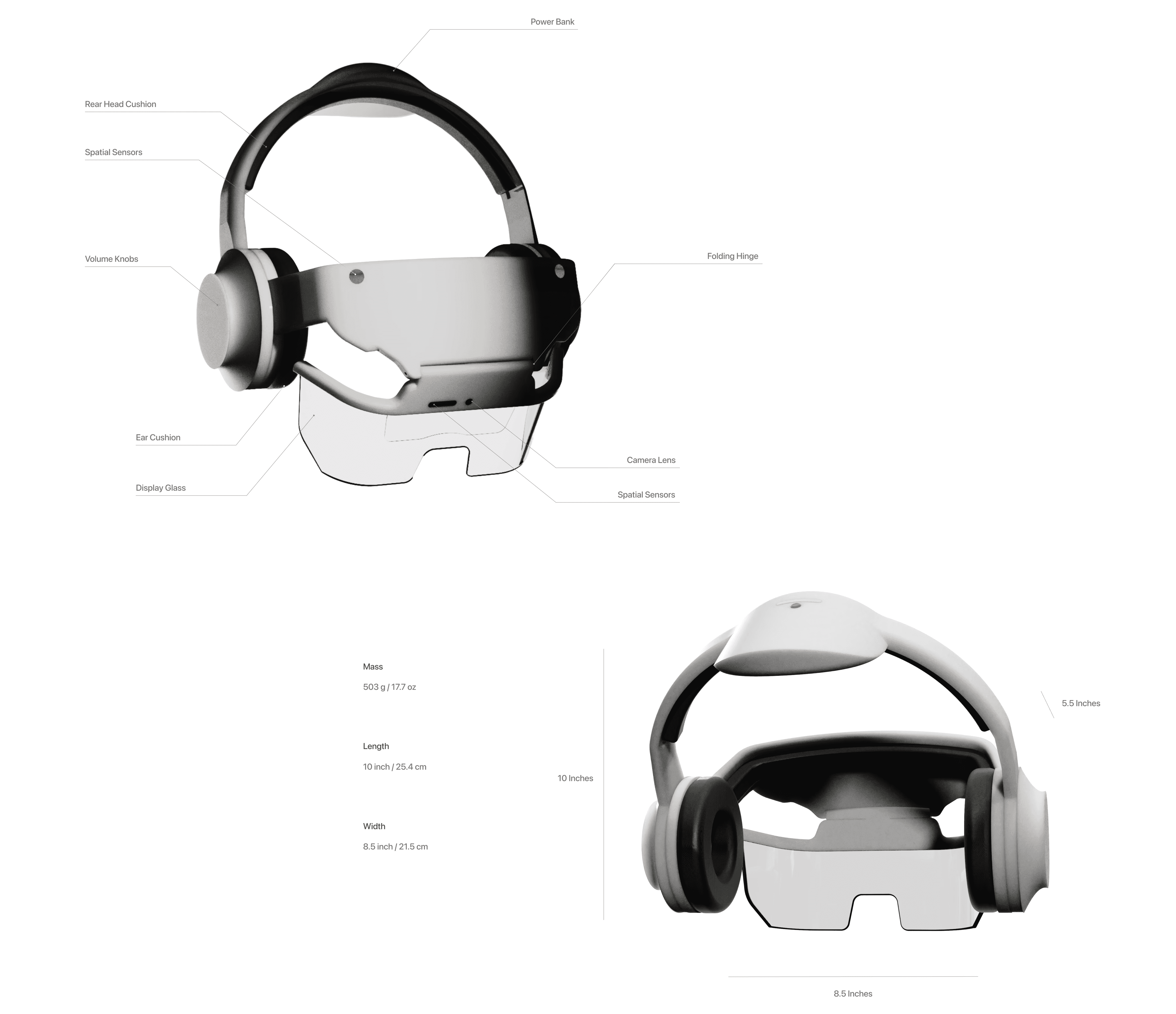
Secure hold, easy locking utility
The AI proactively analyzes the user's brief and generates undefined variables, which are presented as actionable tasks on the project equation map for the user to select and define.
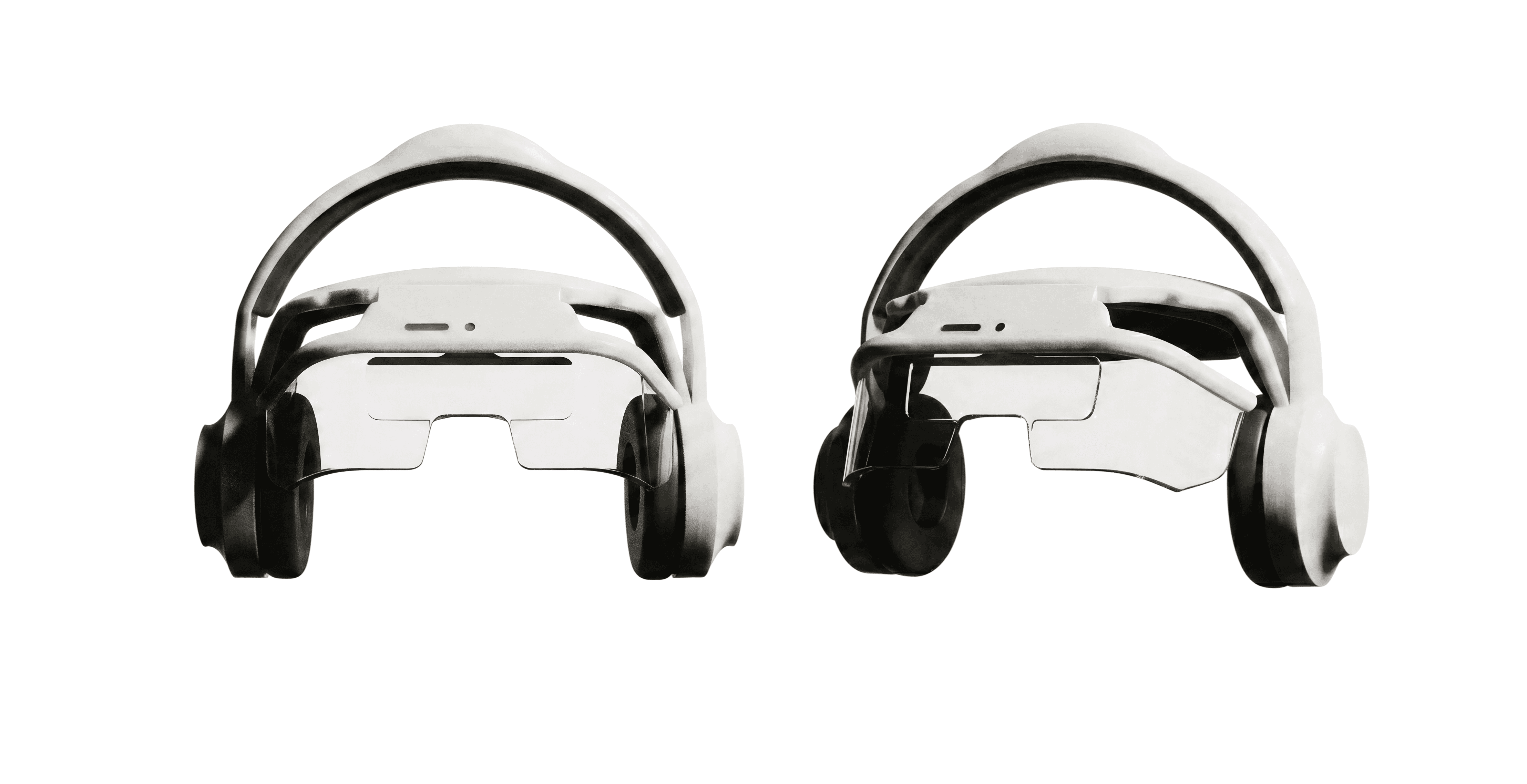
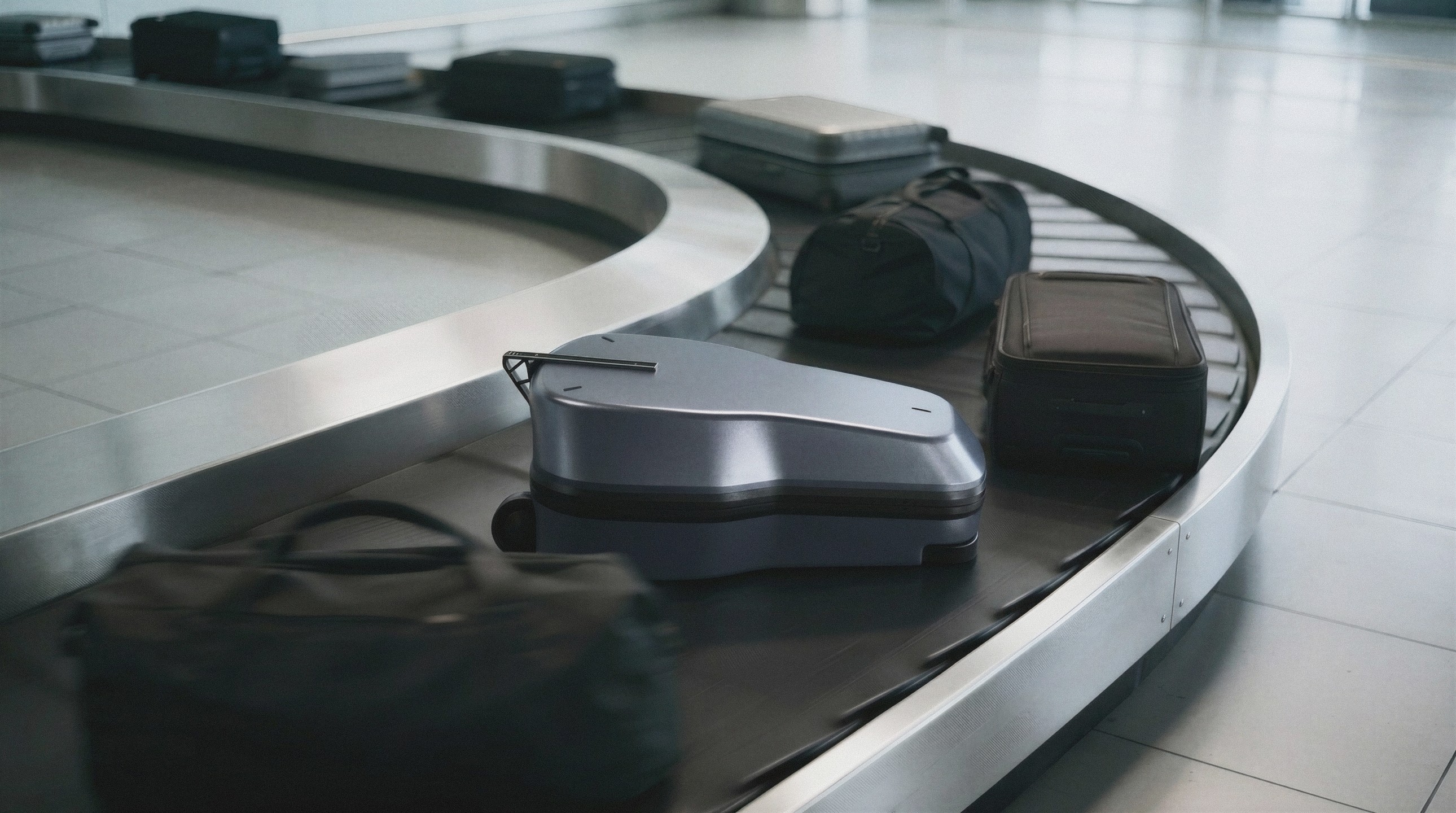
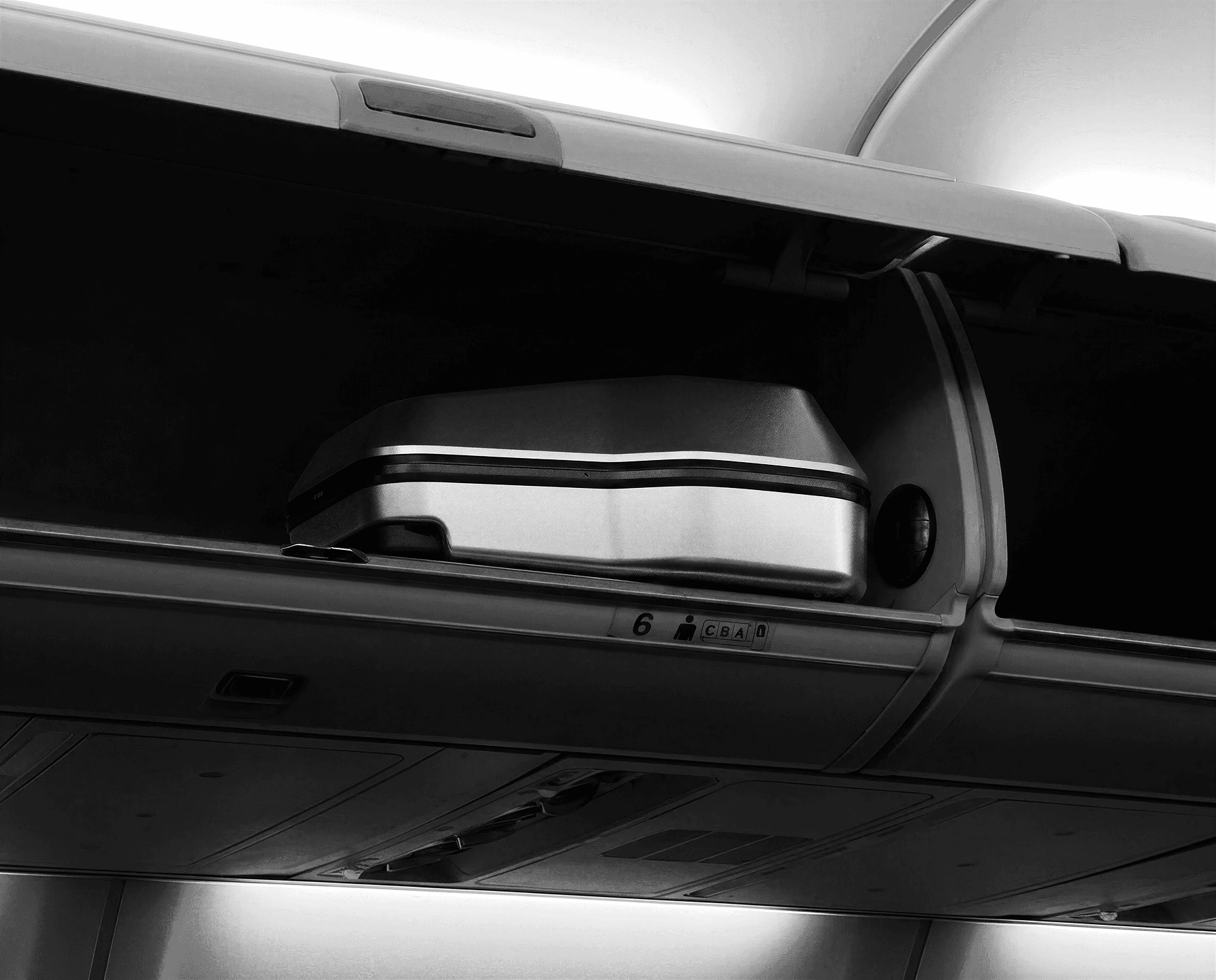
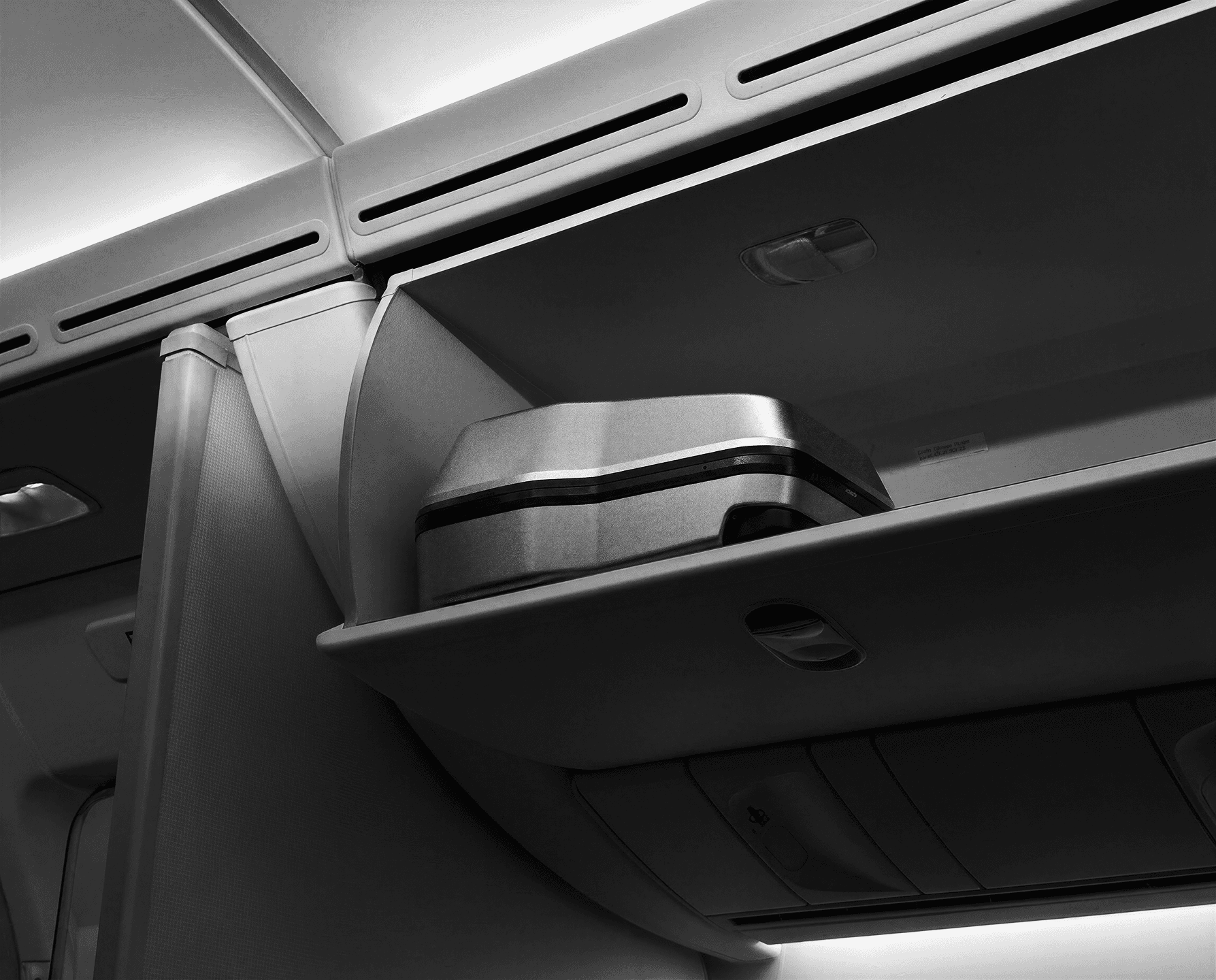
Foldable design for optimal storage and portability.
To get started, Arctika guides the user to define their initial project idea, which will be used to generate a project equation, surfacing unaddressed variables from the user's initial brief.
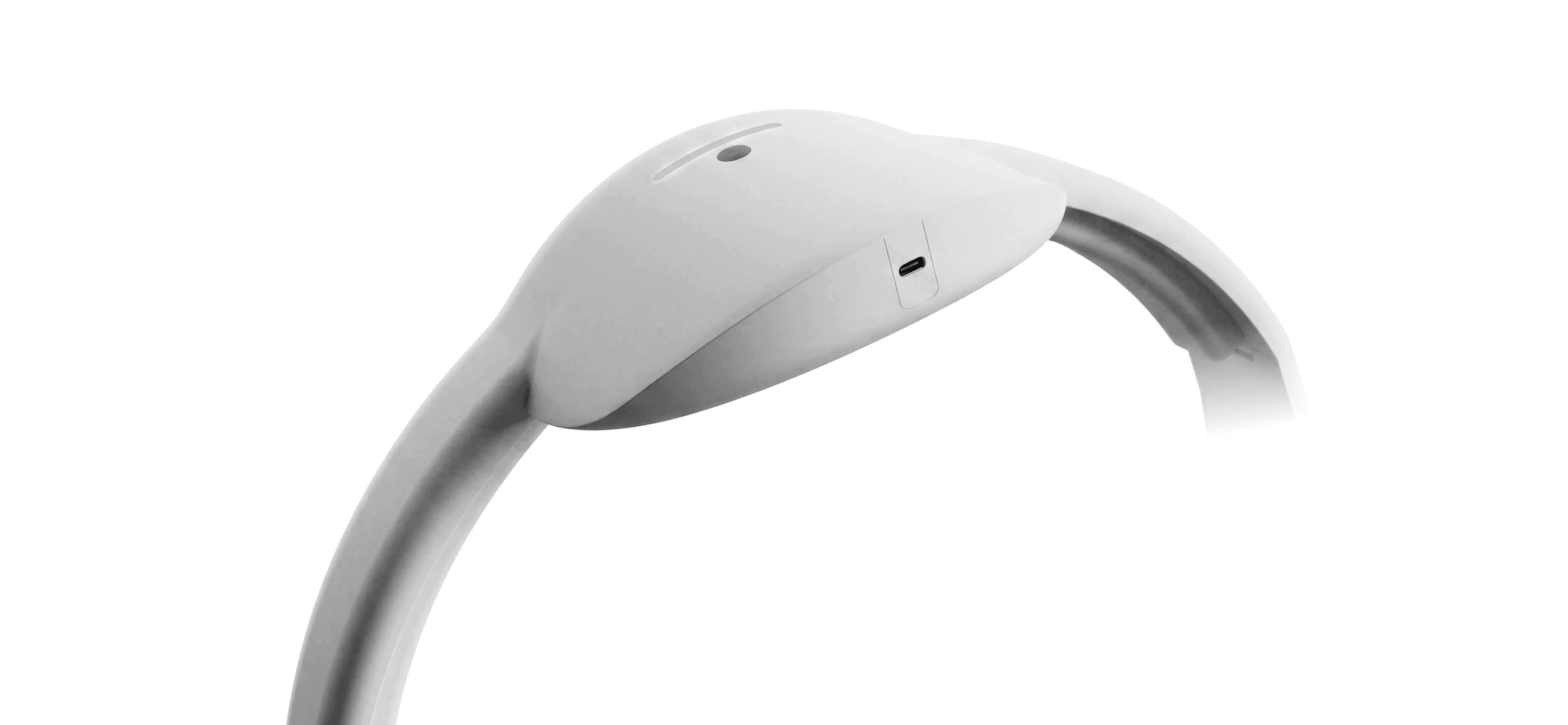
Integrated battery pack that serves as a counter weight.
This is the central visual hub of the platform, acting as the project's persistent memory by displaying the entire project flow and all defined variables on a clear, linear process.
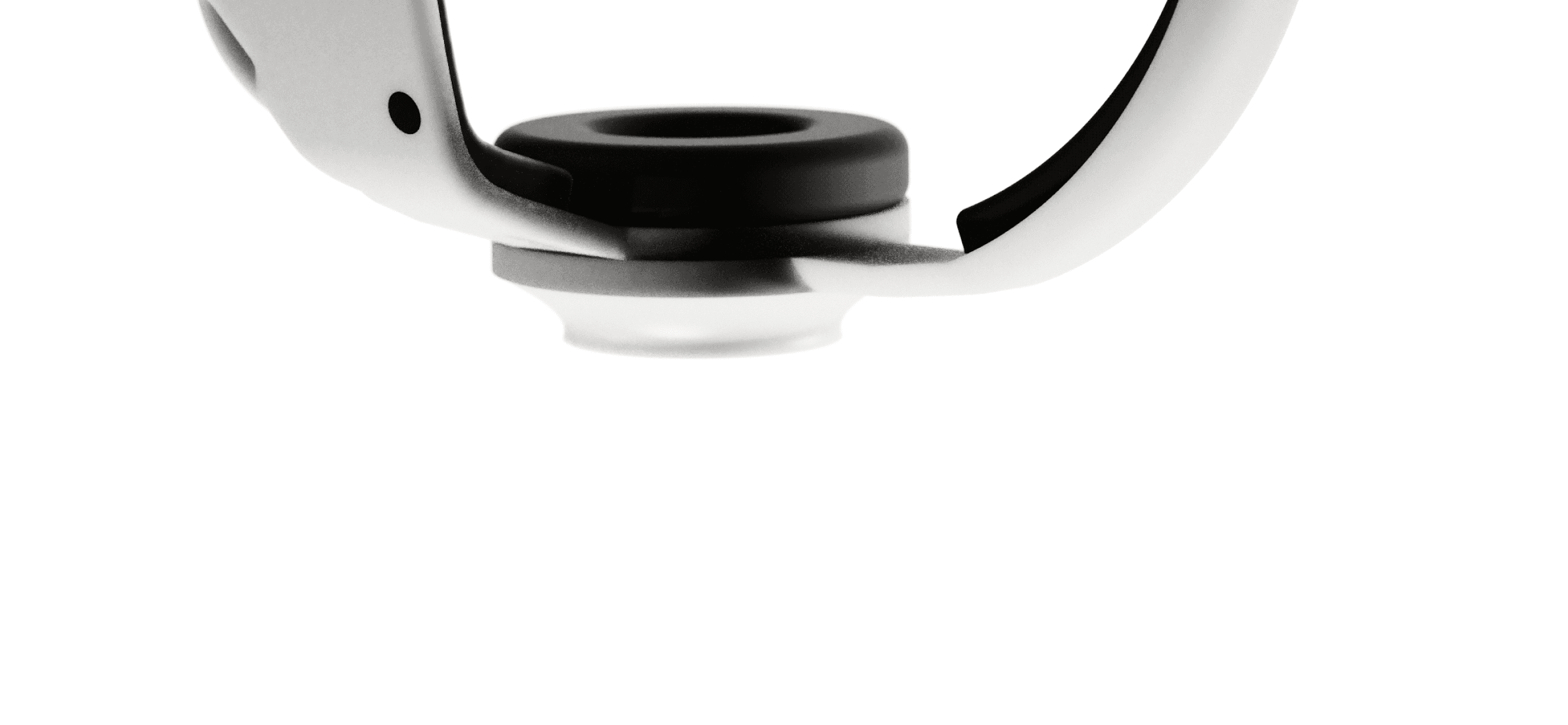
Intuitive control through the side audio modules.
This is the central visual hub of the platform, acting as the project's persistent memory by displaying the entire project flow and all defined variables on a clear, linear process.
Stand alone platform.
This is the central visual hub of the platform, acting as the project's persistent memory by displaying the entire project flow and all defined variables on a clear, linear process.

Next steps
Retrospect and takeaways.
Moving forward, the project aims to further refine and expand its features to enhance accessibility and adaptability across various design environments. Integrating more advanced AI-driven tools and expanding with a broader audience.
The project underscored the importance of continuous feedback loops, embracing iterative design, and staying agile in adapting to user needs. Ultimately, Arctika serves as a testament to the power of combining AI with human creativity, pushing the boundaries of what’s possible in design.